
Articles

An internal strategic plan does a great job of helping organizations gain alignment and focus on common outcomes. But one of the trickiest parts about developing a plan is actually implementing it. Here at GreenerU, we put ourselves to the test. This is Part I of a two-part article.
More
Thanks to help from GreenerU, the MSPCA’s Angell Medical Center in Jamaica Plain is set to receive the first alternative energy certificates from Massachusett's APS program for a large air-source heat pump system—one of several ways energy-efficient technologies are sound financial investments. Maybe now is a good time for your school to make the switch.
More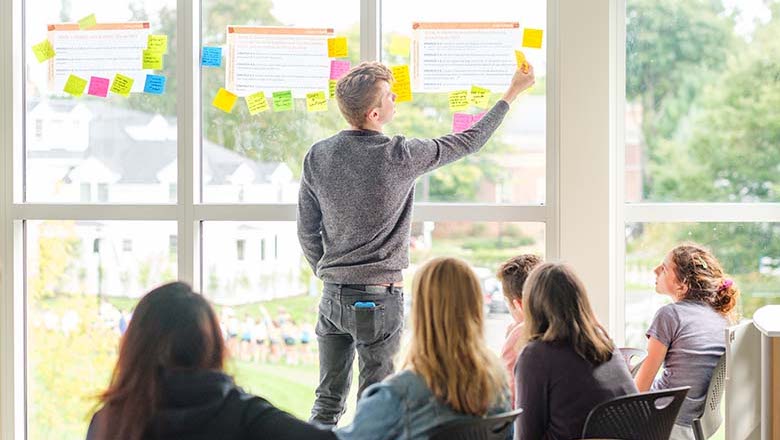
Whether you have skin in the game or able to play a neutral role, as facilitator, you are there to help guide the room from Point A to Points B, C, and D. You are in charge of keeping the momentum going, ensuring you have created an inclusive agenda, and helping your group meet their goals. So, what do you, as facilitator, do to run productive meetings?
More
Nearly 4 million people participated in worldwide climate strikes last September, in solidarity with 17-year-old Swedish activist Greta Thunberg, who made the trek to New York City across the Atlantic by boat. It’s no coincidence that teenagers are some of the most engaged climate activists today. How is sustainability at K12 schools being addressed?
More
Campus operators know when a heating system is inefficient. But what happens when we humans have inefficiency issues? Here are four ways to address productivity challenges in the workplace.
More
Massachusetts may enact the first state-wide legislation requiring compliance with minimum building performance standards. Find out if your institution's buildings are affected.
More
The much-anticipated STARS v2.2—Sustainability Tracking, Assessment, and Rating System—has launched, and there are some new opportunities for points by reviewing the data before submitting to AASHE. A panel discussion at the AASHE conference in Spokane that GreenerU moderated helped participants figure out how to tackle one of the most important tools available for measuring sustainability on college campuses.
More
AICUM and GreenerU launch GreenerMass, a finance program for schools, health centers, and other nonprofits to kickstart energy savings from energy-efficiency measures requiring no upfront capital costs. Past program participants are saving upwards of $100,000 annually on energy costs following payback period. Here's how to find out if your institution is eligible.
More
Many campus sustainability offices are challenged with the urgency of climate change against the pace of academia. So why are so many sustainability efforts still trapped in meetings that resemble institutional zombies?
More
Large-scale sustainability action doesn’t happen by accident. It takes collective action and organized effort to make an impact.
More
Rebates for energy-efficiency projects can be just the financial boost schools need to take them on. But discerning which ones will yield the greatest savings—not to mention which projects will have the best return on your investment—can be time-consuming, confusing, and downright frustrating.
More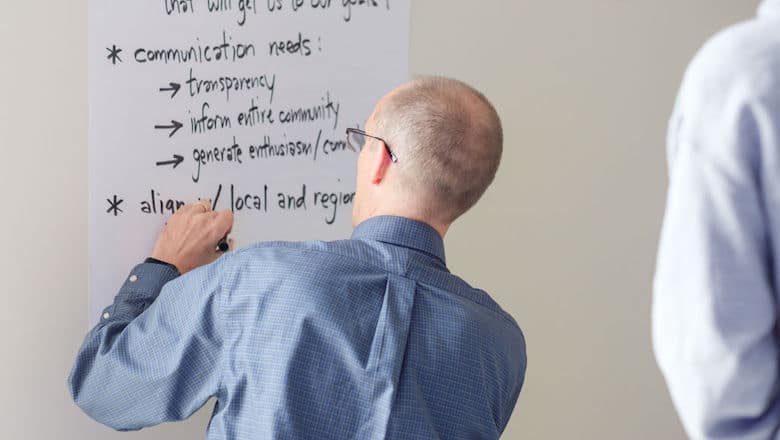
Great ideas fail because they lack the strong, process-based foundation of diverse perspectives, troubleshooting, idea testing, and consensus that only conflict can unearth.
More
With the right design perspective, planning, and project experience, any existing building can strive toward optimal efficiency. What’s your greatest energy-savings opportunity?
More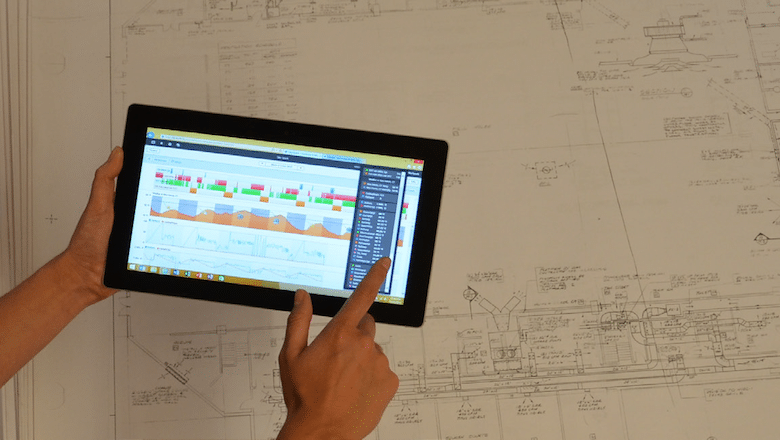
The Real Time Energy Management program offers $60 million by way of a 30% cost-share incentive to support building energy analysis and control, using software that draws data from building automation systems and programmable to a building’s custom settings.
More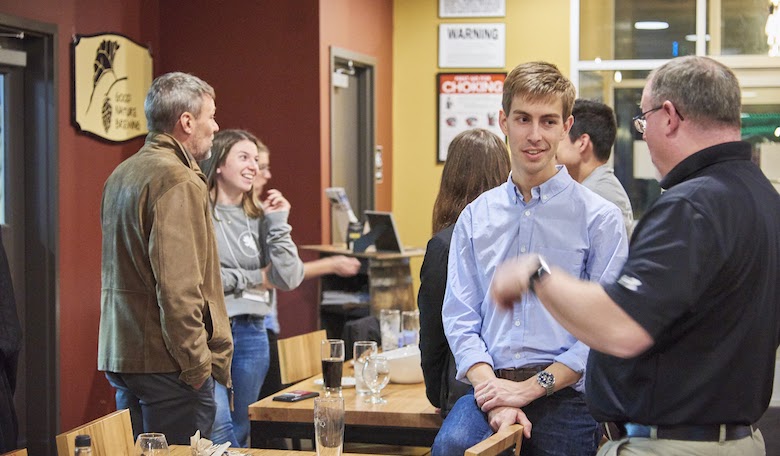
This article is a summary of a discussion by AASHE community members who collaborated to host an extended session on funding sustainability through the advancement office at the 2018 AASHE Conference in Pittsburgh (Advancement & Sustainability: Partnering for Fundraising and Alumni Engagement).
More
Right now is a particularly exciting time in the lighting industry—one that is about as revolutionary as when Dorothy stepped outside her door to the Land of Oz into brilliant Technicolor—but there are a few common lighting mistakes college campuses are making.
More
Truly serious efforts to get to zero recognize that the obligation starts with lowering demand. Buildings alone use 42% of the nation’s energy. Without tackling excessive building energy use, campuses are not going to hit carbon neutrality.
More
As we continue to march through the 21st century, schools are increasingly turning an eye on being greener and saving green. One way to do this is by investing in lighting.
More
STARS reporting is a bit like filing joint taxes in your first year as a newly married homeowner…with a business…and a baby. Sure, you could probably figure it out. But you could also hand it over to someone who knows how to maximize your refund.
More