
Modernizing a historic affordable senior housing community
For buildings like 28-40 Washington, decarbonization is about both preserving historic character and improving residents' quality of life.
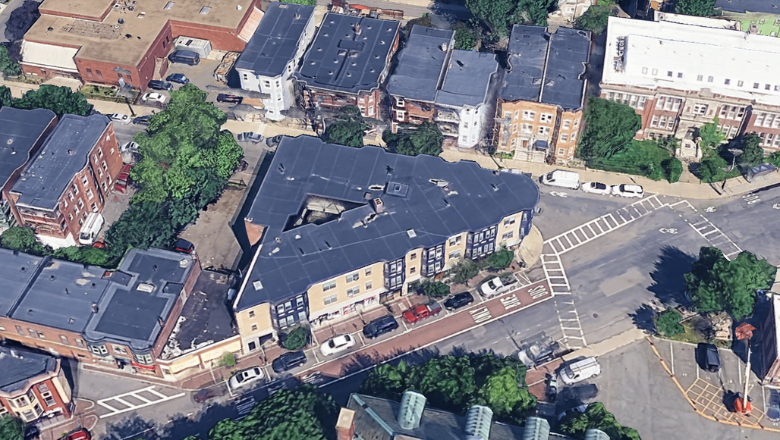
At 28-40 Washington Avenue in Chelsea, Massachusetts, The Neighborhood Developers (TND) faced a challenge common to many affordable housing providers: how to modernize a historic building while protecting affordability, preserving its architectural integrity, and improving comfort for residents.
Unlike many more recently-built multifamily buildings, 28-40 Washington relies on natural gas boilers for heating and has no central cooling system. During the summer, only window air conditioners offer residents an escape from the heat. For residents without window ACs, the apartments can grow uncomfortable over the hot months.
GreenerU was called on to design a roadmap capable of improving residents’ everyday living while improving building performance and reducing emissions. This was made possible by the Massachusetts Department of Energy Resources’ (DOER) Affordable Housing Decarbonization Technical Assistance Program, which is run by VEIC and offers no-cost decarbonization design studies from preferred vendors (like GreenerU!) to affordable housing property owners.
Solving more than a carbon problem
28-40 Washington is a mixed-use building surrounding an open-air courtyard and hosts ground-floor retail plus 27 affordable apartments for seniors and residents with additional support needs.
Not only does the property serve multiple functions, but it also retains many historic features from its construction in the early 1900s. Preserving the historic features of a building limits the energy efficiency and decarbonization work that can be done. For example, replacing windows or adding exterior insulation to a building, which would reduce energy loss, becomes more difficult when the building’s siding and windows cannot be substantially changed. To honor its history but perform at the standards necessary for today’s buildings, 28-40 Washington needed a customized road to decarbonization.
To meet this goal, GreenerU’s engineering team completed a design study based on a detailed understanding of the building’s current performance. The final study included the following:
- A comprehensive review of utility consumption
- Building energy modeling calibrated against actual utility data
- Equipment inventories and site observations
- Heating and cooling load calculations
- Building envelope analysis
- Cost estimating for multiple decarbonization pathways
This modeling provided our engineers and TND with a holistic view of the building, incorporating a breakdown of energy consumption and allowing for the evaluation of electrification strategies prior to making construction decisions.
GreenerU’s investigation revealed that heating and domestic hot water were responsible for more than 80% of the building’s total energy use. Electrifying these systems is the most impactful opportunity to reduce the building’s carbon footprint; however, electrification would also serve a purpose beyond emissions reductions.
Many of the apartments at 28-40 Washington have no cooling at all, a problem GreenerU recommends addressing by replacing the aging boiler system with air-source heat pumps.
Heat pumps have both heating and cooling capabilities, and changing over to this system creates the opportunity to leverage both.
This solution would provide efficient air conditioning for the entire building, improving resident comfort throughout the increasingly hot New England summers, while accomplishing a second goal of eliminating onsite fossil fuel use. These dual objectives maximize resilience for the senior housing community and illustrate a practical pathway that can be replicated at similar properties.
Two pathways toward a fully electric future
GreenerU’s recommendations balance budget, timing, and long-term goals. In 28-40 Washington’s case, this meant building two implementation pathways.
The first of these pathways details the lowest cost option, which would allow TND to fully eliminate onsite fossil fuel use while minimizing upfront investment. This pathway includes the replacement of the existing boilers and hydronic heating system with air-source heat pumps in each apartment, and replacing domestic hot water heaters with versions supported by air-source heat pumps instead of natural gas.
The second option GreenerU presented was a deep energy retrofit. This route also involves installing heat pump water heaters for domestic hot water, but would replace boilers with a variable refrigerant flow (VRF) system for heating and cooling.
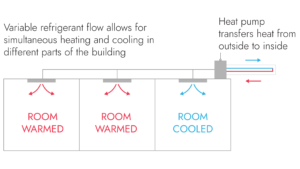
The deep energy retrofit would also involve building envelope improvements like additional insulation and future roof and window replacements. GreenerU recommended strategies that cater to the building’s specific historic elements, like preserving the exterior brick façade in favor of improving interior and roof insulation during future renovations.
Annual greenhouse gas emissions could drop from 98.2 metric tons of CO2e to as little as 36.4 MTCO2e following the deep energy retrofit pathway, or 47.7 metric tons of CO2e when pursuing the lowest cost option, and completely eliminating onsite fossil fuel use choosing either route. Total energy use (combining electric and natural gas) would see a dramatic decline from 1,745,870 kBtu to 654,737 kBtu taking the lowest cost option or even 499,960 kBtu when the deep energy retrofit is utilized.
A practical way forward
With a complete decarbonization design study, TND is equipped with a realistic framework for planning their future investments without losing sight of their commitment to affordable housing. Both pathways coordinate decarbonization upgrades with future capital improvements so TND can continue improving the historic building’s performance without any unnecessary spending or disruption.
The study for 28-40 Washington shows that thoughtfully planned decarbonization can do far more than reduce emissions. Affordable housing providers can create more resilient and healthy homes for residents while preserving affordability and preparing their buildings–and residents–for a cleaner, more comfortable future.
Thinking about decarbonizing your affordable housing portfolio? GreenerU helps housing providers evaluate existing buildings, compare electrification pathways, identify funding opportunities, and develop practical implementation plans that balance resident needs, building performance, and long-term capital planning. We’d love to discuss how we can help.
Recent Case Studies
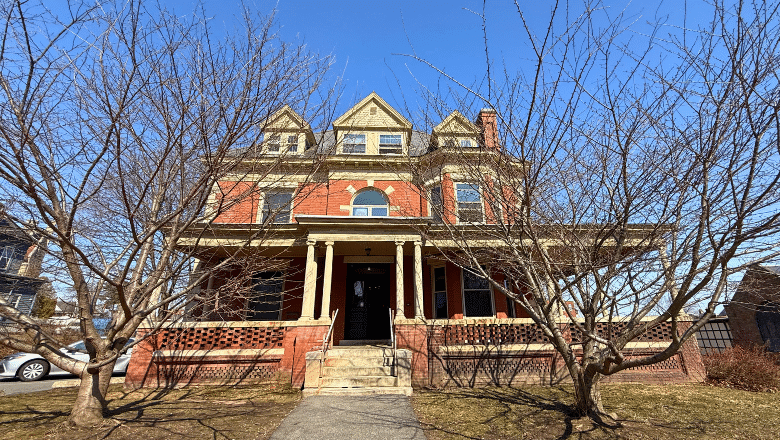
In Holyoke, Massachusetts, a 6-unit multifamily building takes advantage of a no-cost decarbonization design study to see how it can improve its building's efficiency.
More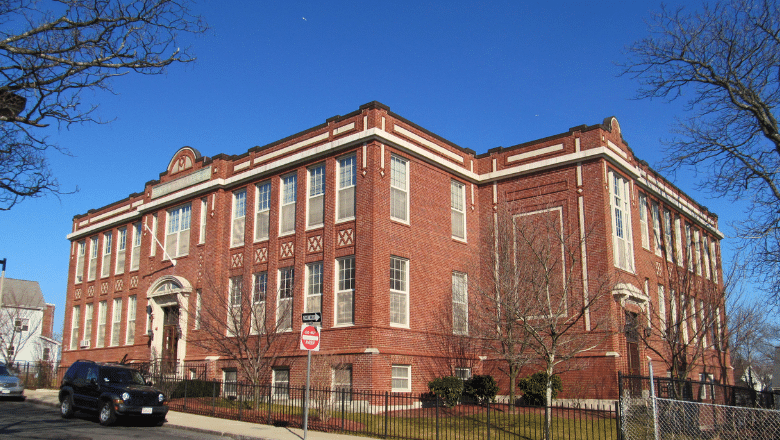
At Sister Clara Muhammad Housing Cooperative, the property owner didn’t have to choose between affordable and ambitious–GreenerU’s decarbonization design study made both possible.
More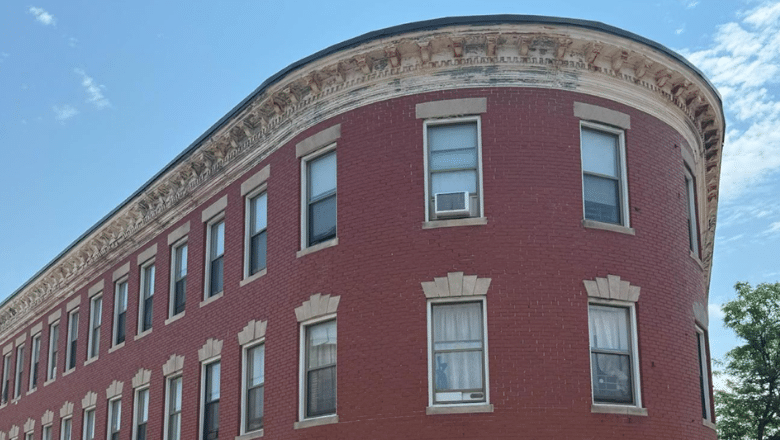
For two Boston multifamily housing buildings in Boston, building upgrades were needed as BERDO deadlines creeped closer. Luckily, BDAP existed.
More